
Relocation Guide
Moving to Phoenix: Your First 30 Days
Phoenix and the surrounding cities, often called the Valley, welcome newcomers from across the country and around the world. The sunshine is real, the communities are varied, and the first month goes much smoother with a plan.
Phoenix is also one of the fastest growing large metro areas in the U.S. That growth brings opportunity, and more to figure out around commutes, housing, schools and local services.
Here is what to know when you arrive, whether you are moving from across the state or from another country.
Moving to Phoenix? Book a one-on-one relocation strategy session with Holly.See the session →
1. The Valley is many cities, not one
Phoenix connects with cities like Scottsdale, Tempe, Chandler, Gilbert, Mesa, Queen Creek, Ahwatukee, Fountain Hills, Anthem, Peoria, Glendale and, farther out, Casa Grande. Each has its own feel, schools, commute patterns and price range. Two homes twenty minutes apart can offer very different daily lives.
The Valley is huge. The city of Phoenix alone covers about 518 square miles, and the wider Phoenix metropolitan area spans roughly 14,565 square miles.
With no big lakes or coastline and few major landmarks to anchor you, it is easy to lose weeks looking everywhere. Narrowing in on where to focus is the first and most important step.
Three things usually set the map: where you will work, which schools you want and how to find them, and your budget. As the region grows, commutes and traffic are also changing quickly, so drive your likely routes at different times of day.
An area tour built around those three things, before you commit, saves months of second guessing.
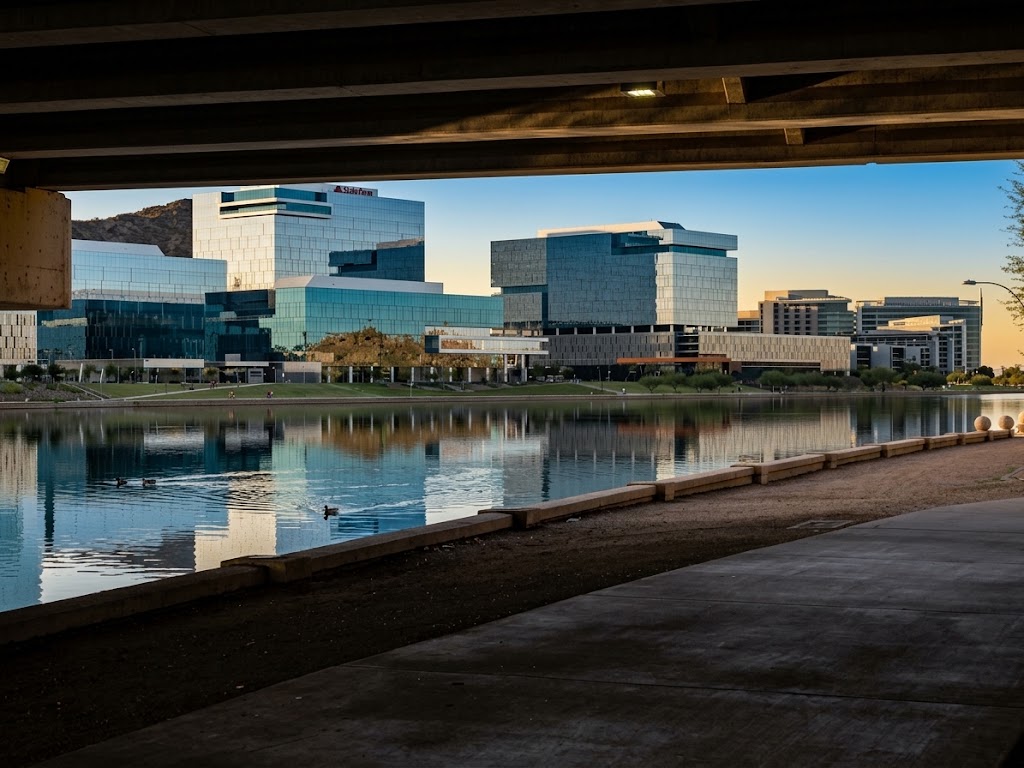
2. Plan temporary housing on purpose
Temporary housing is often the biggest cost of your move. Hotels, corporate apartments and short term rentals add up quickly, and the pressure to leave them can push you into the wrong home.
When you move matters too. Phoenix is a fall, winter and spring city, with the holiday season at the peak. Winter visitors, spring training and big events fill short term rentals, so they can be harder to find and more expensive at those times.
A relocation specialist or trained destination service consultant in the Phoenix area knows the best ways to find affordable temporary housing, and can act as your liaison to negotiate options you may not know exist.
Book a few weeks of furnished housing near the areas you are considering, and use that time to tour with focus. A clear search plan usually shortens the stay and leads to a better choice.

3. Renting or buying
You may want to rent first while you learn the Valley. Seasonality shows up here too: rentals move fastest in the busy months, and furnished homes come at a premium and are especially hard to find during high season. Unfurnished rentals offer more choice and better value if you can furnish quickly.
Landlords often ask for proof of income, a credit check and deposits. If you are new to the U.S. and have no credit history or FICO score yet, applying blindly can cost you application fees and time. An experienced relocation specialist knows which management companies accept applicants without U.S. credit, and which do not, so you only apply where you can be approved.
If you are buying, there are also financing options for international buyers, and you may be able to purchase much sooner than you realize. Take time to understand the area, the homeowners association rules where they apply, and what summer cooling costs may look like for the home.
Looking for a rental? Read Renting in Arizona: Know Your Rights for the rules on deposits, repairs and AC failures.

4. Schools
Arizona schools are unique. The state has one of the largest charter school sectors in the country, alongside district schools that accept students through open enrollment and a range of private options. That means more choice, and more to sort through.
A local destination service consultant can help you find out whether your preferred school requires you to live within its boundary, when and how to register, and which schools offer the programs your family is looking for, whether that is STEM, special needs support or a specific sport.
Confirm the assigned school for any address directly with the district, gather records early, and schedule tours or meetings with staff before you choose.

5. Getting registered
New residents generally need an Arizona driver's license and vehicle registration through the Arizona MVD, and many vehicles in the Phoenix area need an emissions test. A local destination service consultant can advise you on timing for your situation, explain the registration requirements, help you prepare for any tests and point you to the local offices with fewer waits and faster turnaround.
Which utility companies serve your home depends on the address. Electricity usually comes from SRP or APS, gas often from Southwest Gas, and water and trash are typically handled by the city. Your relocation consultant will identify the right providers for your new home, help you set up each account and make sure you have the documents ready that each one asks for.
Be ready for deposits when you open new accounts with electric, gas and city services, especially without a local credit history. A letter of good payment history from your previous utility can sometimes reduce or waive a deposit, so it is worth requesting before you move.
Plan for the summer bill. Electric costs can swing dramatically between a mild winter and a hot summer. Both SRP and APS offer budget billing, which spreads your yearly cost into a steady monthly amount, and time of use plans that lower your rate when you run heavy appliances outside peak afternoon hours. Ask about both when you set up service.

6. Living with the heat
Summer days are very hot. Locals plan outdoor time for early mornings and evenings, keep water in the car, and pay attention to shade and cooling when choosing a home. If you can, avoid scheduling a midsummer move in the middle of the day.
Cooling failures in a rental are more common than newcomers expect, and Arizona law sets clear rules about them. Read Renting in Arizona: Know Your Rights to see what a landlord must fix and how fast.

7. A fast changing Valley
The region keeps growing. The microchip industry is building a major presence across the Valley, with large plants north of Phoenix and in the East Valley, along with the suppliers and engineers that follow. That growth is bringing new international communities, new languages and new cultural resources to the area.
Together with new employers and steady population growth, it means neighborhoods, commutes and housing demand shift faster than national guides or AI summaries can keep up with.
That is where local help on the ground matters: someone who knows not just where things are, but how they are changing, and can help you make confident choices in a fast moving market.

Your first 30 days checklist
- Book furnished housing for your first few weeks, close to the areas you are considering.
- Tour two or three areas at different times of day before signing a lease or making an offer.
- Check which school a home is assigned to, and ask about open enrollment and charter options.
- Schedule school tours and meetings with staff, then complete school registration and enrollment.
- Find out which electric and water providers serve the address, since it varies across the Valley.
- Visit the Arizona MVD or an authorized third party office for your driver's license and vehicle registration.
- Open a local bank account and update your address with your employer, insurance and mail.
Moving to Phoenix from another country
Every move is different. What you need to do, and in what order, depends a lot on where you are arriving from. A family moving from California has a very different list than someone arriving from Taipei, South Korea or Europe, where visas, international driver's licenses, credit history and school records all add their own steps.
Moving on a relocation allowance? Read Making the Most of a Relocation Lump Sum, or learn what a destination service consultant does.
Phoenix Relocation Strategy Session
Get a personalized plan for your move
A one-on-one call of up to 60 minutes covering neighborhoods, schools, leases and your first 30 days, followed by a written summary and introductions to trusted local contacts.
Moving to Phoenix?
Holly helps you find the right home and settle in, from area tours and rentals or purchases to schools, registrations and your first weeks in the Valley. Share a few details about your move to request a plan and a quote.
Work With HollyGet a Quote
Get a quote for your move
Tell Holly about your move and she'll put together a quote.
Read next
- Making the Most of a Relocation Lump Sum
A practical guide for anyone moving on a relocation lump sum: the tax question to ask HR, where budgets fall short, a worked $12,000 example and a calculator to plan your own.
- Renting in Arizona: Know Your Rights
A practical overview of Arizona renter rights under the Residential Landlord and Tenant Act: security deposits, repairs and essential services, AC failures, landlord access and eviction notices.
- AI Can Organize Your Relocation. But Can It Make You Feel at Home?
Dashboards can track every task in an international move and still miss the moment a family starts to struggle. A look at what automation gets right, what it cannot see, and why the future of global mobility depends on knowing when we need each.
Sources
- U.S. Census Bureau QuickFacts: Maricopa County
- U.S. Census Bureau QuickFacts: Phoenix city
- Arizona Department of Education: School Choice
- ADOT Motor Vehicle Division
- SRP (Salt River Project)
- APS (Arizona Public Service)
- National Weather Service Phoenix
This guide is general information. Rules, providers and school options change, so please confirm details with the official source for your situation.